| |
March 14, 2026
Spring Capacity: The Small Office Fixes That Keep the Board Full Without Burning Out the Crew
Blue Collar Profits is for trades owners & operators — practical, operator-level moves for what shows up on the board, in the truck, and on the P&L.
The first warm stretch of the year usually doesn’t break a shop because of demand. It breaks a shop because weak handoffs, slow replies, sloppy routing, and preventable cancellations all get louder at the same time.
This week’s topic is spring capacity. Not “push harder.” Not “add a truck because it feels busy.” Just tightening the few office-side systems that decide whether more calls become cleaner revenue — or a longer, messier week.
Today’s brief gives you the play: cut wasted drive time, capture after-hours demand, pressure-test growth before it outruns your systems, and use a short confirmation / cancellation message that protects the schedule before tomorrow morning gets rebuilt.
|
|
|
|
In this issue
• Profit Play: cleaner dispatching so paid hours stop disappearing through the windshield
• The Number: the after-hours demand stat most shops still underbuild for
• The Leak: growth that looks healthy on revenue while operations quietly slip
• The Script: a short confirmation / cancellation message that keeps the board from blowing holes
• Operator Insight: the blunt truth
|
|
$
|
The Profit Play
Treat drive time like overhead: smarter dispatching can create capacity before you add labor.
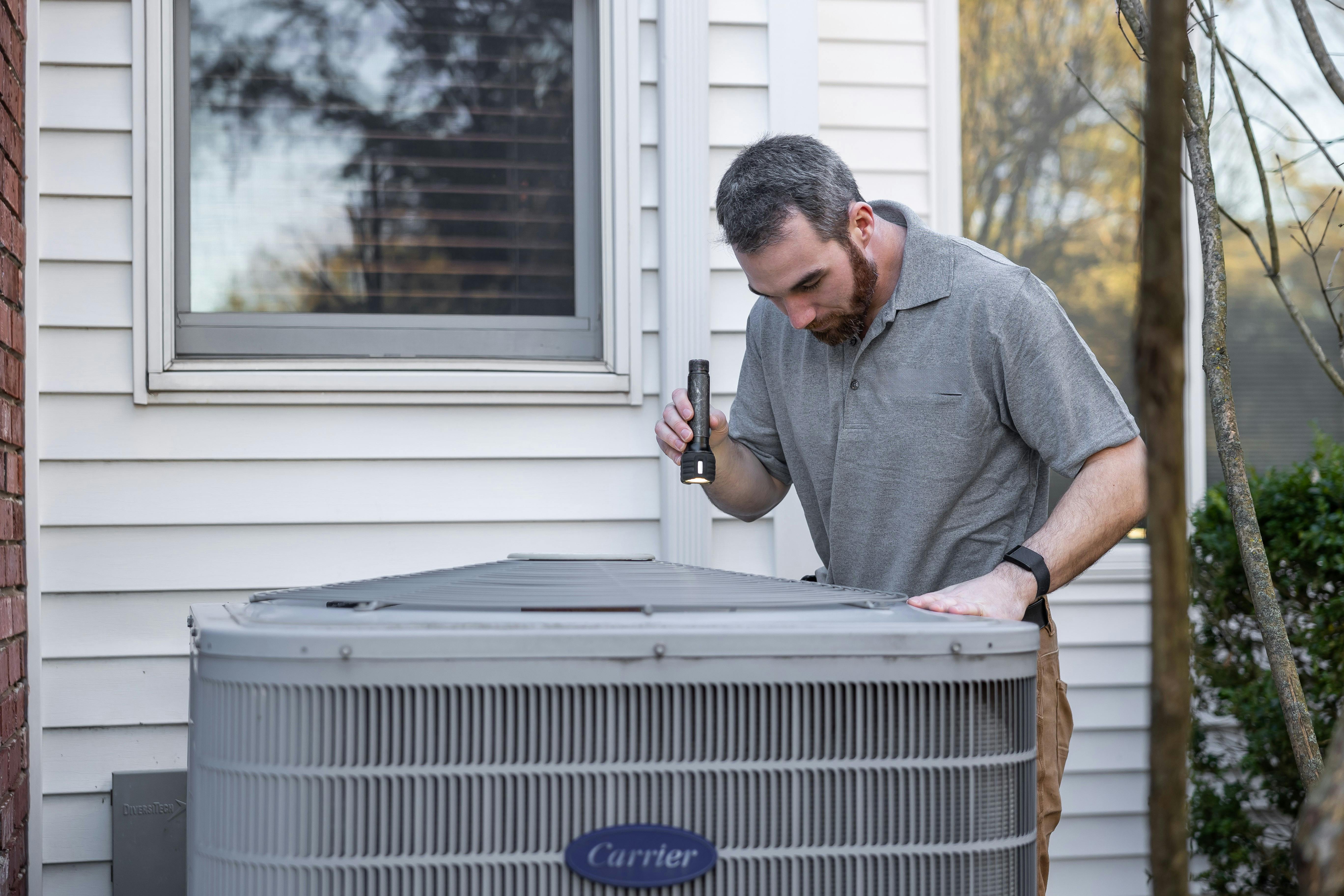
ServiceTitan’s March 11 dispatch piece makes the point in hard numbers: the average commercial HVAC service technician spends 28% of the workday driving. For a 50-tech operation paying fully loaded rates of $85/hour, that adds up to roughly $2.38 million a year in windshield time. Trim that by 25%, and you unlock about $595,000 in productive capacity without hiring another person.
The operating lesson is simple: a truck in motion is not the same thing as productive work. Cluster jobs geographically, dispatch by skill and proximity instead of “who’s next,” and start reviewing route quality the same way you review labor or callbacks.
Key Takeaways:
• Track drive time as a weekly KPI, not background noise.
• Group jobs by geography and job type before the day starts.
• Use skill-based dispatch so your best techs aren’t burning hours on the wrong calls.
• Look for capacity gains in routing before you solve the problem with headcount.
|
|
|
#
|
The Number
41%: that’s how much booked online demand shows up after hours.
Housecall Pro’s 2026 trends report says 41% of jobs booked online come in after hours, and notes that a surprising share of that demand shows up between 1 a.m. and 4 a.m. The point isn’t that customers want a midnight phone conversation. It’s that they want the easiest next step the moment they remember the problem.
If your shop only functions when someone is at the desk, after-hours demand quietly rolls to the company that makes booking feel simpler. In 2026, speed-to-lead isn’t just a sales concept — it’s part of your reputation.
Key Takeaways:
• Give customers an after-hours path to request or book work.
• Fast response matters as much as lead volume.
• Pair speed with clear arrival windows and clean communication.
• Let automation capture routine work so your team can focus on exceptions and sales conversations.
|
|
|
!
|
The Leak
Growth looks healthy on the top line long before you notice it’s slipping underneath.
FieldEdge’s March 10 HVAC growth article is a good reminder that expansion usually hurts profit before it hurts appearances. Their example is blunt: if two veteran techs are generating about $1.1M each while two newer hires are only doing about $600K, revenue can still rise while control gets weaker and margins compress.
Their profit-protection checklist is the part worth stealing before spring ramps up: pricing reviewed within the last 90 days, maintenance agreement attach rate above 30%, callback rate under 5%, stable revenue per tech, and enough cash flow to support 3–6 months of payroll expansion. That’s not admin polish. That’s how you keep a busy season from turning into expensive growth.
Key Takeaways:
• Track revenue and performance per tech, not just total sales.
• Review pricing quarterly so growth doesn’t scale stale numbers.
• Watch maintenance attach rate and callbacks together.
• Don’t hire your way out of a training or process problem.
• Build payroll runway before expansion, not after it.
|
|
|
T
|
The Script / Template
A short confirmation / cancellation message can save the day before it falls apart.
Jobber’s updated cancellation-policy guide lays out the bones of a message that protects both revenue and customer experience: set the notice window, explain any fee plainly, tell people exactly how to reschedule, and repeat the policy across quotes, confirmations, reminders, and your website. The goal isn’t to sound strict — it’s to make tomorrow’s rules clear today.
Booking confirmation line: “You’re confirmed for [DAY / TIME]. If you need to reschedule, please let us know at least [24/48 hours] ahead so we can offer the slot to another customer. Changes inside that window may include a [FEE]. Reply here or call [NUMBER] and we’ll help.”
If you have to move the job: “Quick update from our side: we need to shift your appointment due to [REASON]. We can offer [NEW WINDOW] or the next available time. We’ll confirm the new slot right away so you’re not left guessing.”
Soft close: “If you’d rather keep the work moving, I can place you into the next open window now.”
Key Takeaways:
• State the notice window clearly.
• Explain the fee or policy in plain language.
• Make rescheduling easy and specific.
• Use the same wording everywhere the customer sees it.
• Give the next step immediately.
|

|
|
|
✓
|
Operator Insight
The calmest shop in peak season usually isn’t less busy — it’s less unclear.
Clean routing. Fast response. Visible scoreboards. Clear policies. That’s how busy turns into productive instead of chaotic.
|
|
|
Presented by EOC Voice

AI voice agents that answer calls 24/7, qualify leads, and book appointments — so you never miss a lead again.
Want the quick overview first? Click below.
|
|
|
Why it matters
Most shops assume spring problems begin when the phones ring more. A lot of the time they begin earlier — when too much of the day is spent driving, after-hours demand goes uncaptured, new hires are added before performance is visible, and late cancellations leave holes no one can refill. Capacity is mostly a systems question. Make the work easier to route, easier to confirm, easier to measure, and easier to book after hours. Same crew — better week.
Quick gut-check: where is your spring capacity actually breaking first right now — drive time, missed after-hours leads, uneven tech performance, or late cancellations?
|
| |
|
Until the next one,

|
Jonathan Price
Editor-in-Chief
Blue Collar Profits
|
P.S. Capacity protection also means not letting after-hours calls or overflow volume slip away. If you want better call coverage while the crew is tied up or the office is closed, check out EOC Voice — AI voice agents that answer calls 24/7, qualify leads, and book appointments automatically. Get the quick overview here.
|
|
| |
|
